How To Read A Fibre Number On A Label Without Being Fooled
Fibre is one of the few nutrition numbers that is both regulated and useful. Here is what the figure on the panel does and does not tell you.
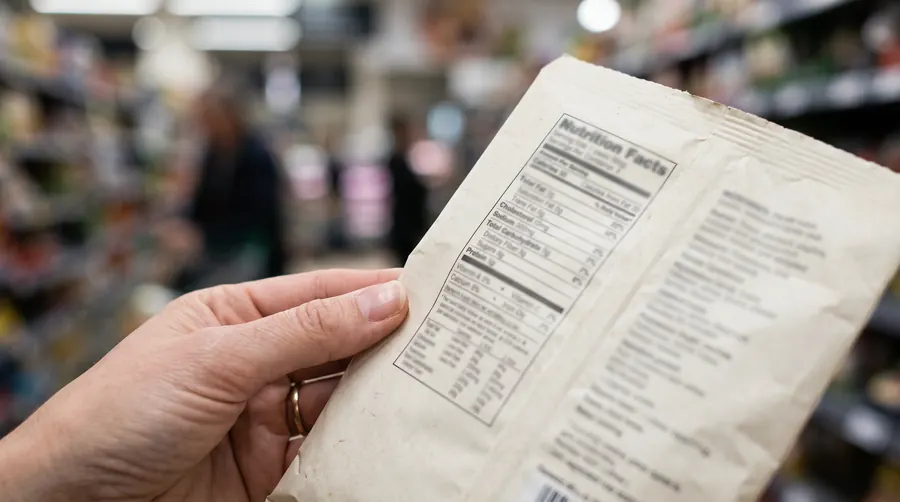
Most numbers on a nutrition panel are more slippery than they look. Fibre is a partial exception, and it is worth knowing why, because it is one of the few figures you can actually use to compare two products.
In the United States, dietary fibre on a label has a legal definition. It covers naturally occurring fibre in whole foods and a specific list of isolated or synthetic fibres that regulators have accepted as having a physiological benefit. That list is not infinite. A manufacturer cannot simply add any indigestible powder and call the result fibre.
What the number does tell you is how many grams are in a serving, and what percentage of a daily value that represents. The daily value used on American labels is 28 grams. So a product showing 4 grams and 14 percent is being consistent with itself, and you can check that arithmetic in your head.
What the number does not tell you is which kind of fibre you are getting, and that is the gap most people fall into. Soluble fibre dissolves in water and thickens. Insoluble fibre does not. They behave differently in the body and the panel does not distinguish between them. Manufacturers may voluntarily break out soluble fibre, and most do not.
The workaround is to read the ingredient list rather than the panel. Ingredients are listed by weight, so their order tells you the rough proportions even when doses are not printed. Psyllium, inulin, beta-glucan from oats and pectin are largely soluble. Cellulose and most bran are largely insoluble. If the fibre sources near the top of the list are the second kind, the product will not behave the way a thickening fibre does, whatever the headline gram count says.
One last thing worth knowing. Fibre added to a processed food is not automatically equivalent to fibre eaten as part of a vegetable, and the research on that question is genuinely unsettled rather than merely inconvenient. Treat a supplement as a supplement.
If you are increasing fibre substantially, do it gradually and drink more water while you do. Going from very little to a great deal in a day is the most common way people conclude that fibre disagrees with them, when really the pace disagreed with them.
This article is general information, not medical advice. If you are managing a health condition, are pregnant or nursing, or take prescription medication, speak to a clinician before changing how you eat.